๐ŸŽฌ 1,000+ Projects Delivered โšก Fast turnaround, deadline never missed ๐ŸŒ Global Clients: USA, UK, DE, FR + more info@lucidmotionstudio.com
Corporate Learning, EdTech & HRTech

Mandatory does not have to mean
unwatchable

Animated onboarding, compliance and scenario training for learning teams, and product video for the EdTech and HRTech companies selling into them. Two very different briefs, kept properly apart.

Onboarding and induction Compliance and conduct Scenario and branching Microlearning series LMS and HRTech product video
1,000+Projects delivered
CaptionsStandard, not extra
5 languagesFrom one production
24 hoursTo a written quote
Relevant work

Learning and platform work from our portfolio

Published pieces from our library closest to this market, labelled by the kind of work rather than the client name.

The Second City, EdTech video by Lucid Motion Studio
Featured · Safety training

The Second City

Safety training animation. Mandatory content only works if people actually watch it, which is what the script is built around.

  • Written from material you supply and one conversation with your team
  • Storyboard review before animation, so a correction is a document edit
  • Delivered in 16:9, 1:1 and 9:16 with a captioned silent cut
See the full portfolio
EdTech explainerSingit, EdTech video by Lucid Motion Studio

Singit

2D animation. EdTech explainer for a learning app.

EdTech explainerExtraMarks, EdTech video by Lucid Motion Studio

ExtraMarks

2D animation. EdTech explainer for a learning platform.

AI learning platformKlass AI, EdTech video by Lucid Motion Studio

Klass AI

AI learning platform. EdTech SaaS explainer.

EdTech SaaSLens SaaS, EdTech video by Lucid Motion Studio

Lens SaaS

EdTech SaaS explainer for a learning product.

EdTech explainerAgile, EdTech video by Lucid Motion Studio

Agile

2D animation. EdTech explainer for a learning product.

Skills platformPluralsight Skills, EdTech video by Lucid Motion Studio

Pluralsight Skills

Skills platform explainer. EdTech video spanning technology and security skills.

See the full EdTech portfolio

Case studies are added here as clients approve them.

Why the explanation stalls

Mandatory training is hard to sit through. Animation makes it land.

Three problems show up in almost every learning brief that reaches us. None of them is solved by a longer module.

01
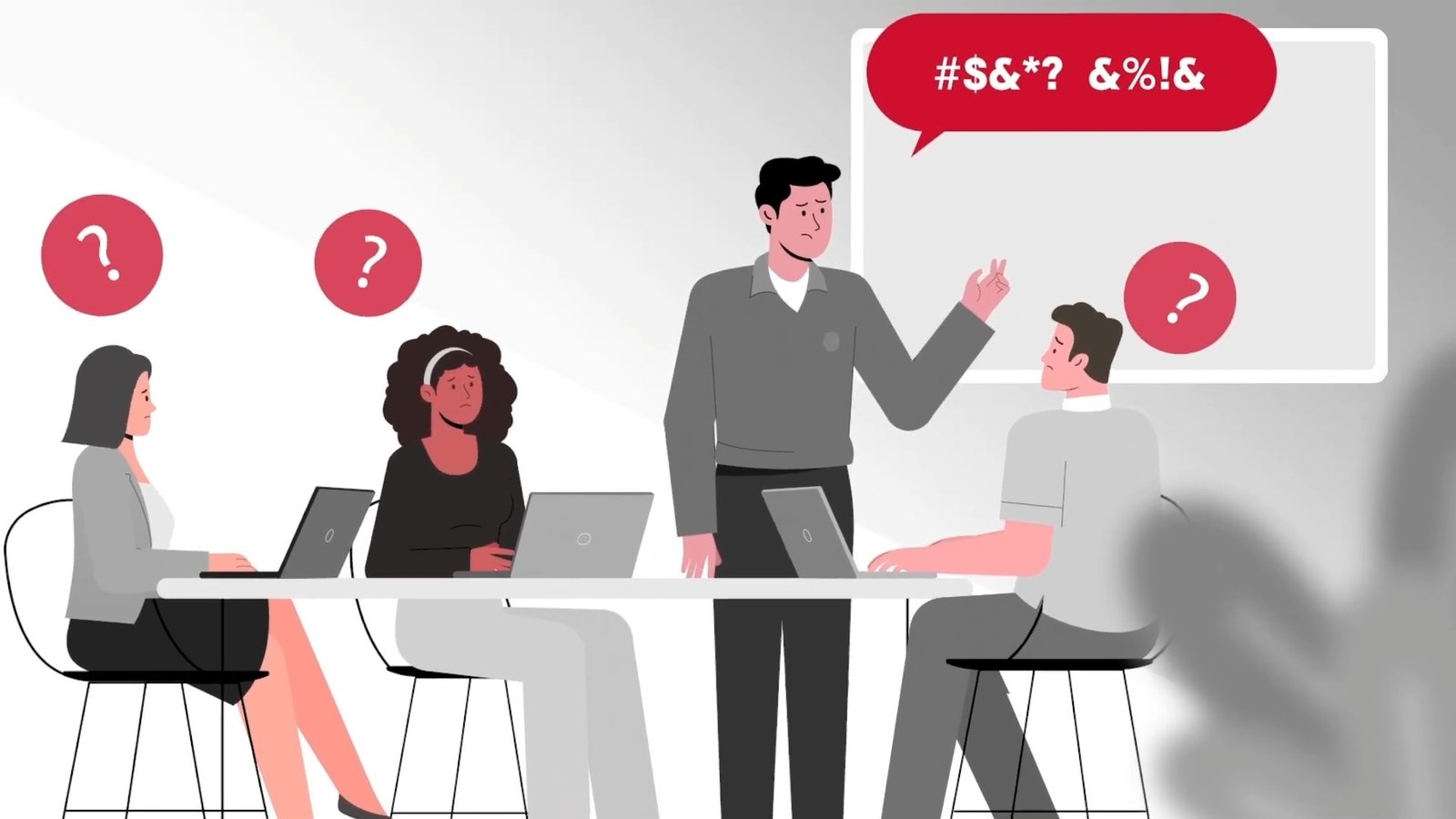
People skip what looks like a slide deck

Mandatory training competes with everything else on the screen.

02
Learning video is not marketing video

Shorter shots, clearer sequencing, one idea at a time.

03
Policy moves faster than production

A module built as one flat render is a new production every time a rule changes.

What we produce

What we produce for learning and EdTech teams

Six formats, grouped by the job they do. Most teams start with one, then reuse the same visual system across the rest. Format detail sits on the training video and explainer video pages.

Learning 01

Onboarding and induction

The first thing a new joiner sees.

Learning 02

Compliance and conduct

Anti-bribery, conduct, data protection, information security.

Learning 03

Workplace safety

The one category where getting attention genuinely matters.

Learning 04

Scenario and branching content

Decision points with consequences, for judgement-based subjects where a right answer list would be dishonest.

Learning 05

Microlearning series

Single-objective modules built against one visual system, so the library grows without looking assembled from different projects.

Vendor 01

Platform explainer

For LMS, LXP and HR software.

Why learning teams brief us

Built to be updated, not replaced

A module you approve this year can be corrected next year without a new production.

โ™ฟ

Accessibility is not an upsell

Captions and transcripts on every learning project as standard.

๐Ÿ”

The series costs less than the sum

One visual system and character set, then modules built against it.

๐ŸŒ

Multilingual by design

Voiceover on its own track and minimal baked-in text.

๐ŸŽญ

Scenarios you could not film

Character animation shows the incident, the argument or the mistake without casting, staging or putting a real employee.

How it works

From learning brief to final module

Five steps on every project, with your subject expert review built into the middle.

Discover

We work from your existing material and the person who owns the outcome.

Script

Built around the behaviour you want to change, not the policy document.

Storyboard

Scene-by-scene visuals and style frames. Your subject expert reviews here.

Produce

Animation, voiceover, music and sound design, with revision rounds included.

Deliver

Master module, language variants, captions and versioned source files.

See the full process
For agencies

Your animation department, under your name

E-learning agencies win the programme and then discover the animation is the hard part. We sit behind you. You keep the relationship, the branding and the credit, and your client never learns we exist.

  • No watermark, no credit, nothing of ours in file names or metadata
  • We never contact your client directly
  • Overflow capacity for rollout and campaign peaks
  • Written quotes in 24 hours so you can price a pitch the same day
FAQ

What L&D and product teams ask us first

Can you deliver SCORM or xAPI packages?
We deliver the video, plus caption files, transcripts and chapter markers, in whatever resolutions and aspect ratios your platform needs. SCORM and xAPI are packaging and tracking standards rather than video formats, so the wrapper is normally built in your authoring tool, by your e-learning team or by your LMS partner, around the file we supply. If you need us to hand off in a specific way, say so at the brief stage and we will match it. We would rather be precise about this than say SCORM-ready and let you discover the difference later.
How do you make compliance training that people do not skip?
Mostly by changing what the video is about. Policy modules fail when they narrate rules. They work when they show a situation a person recognises from their own week, let it go wrong plausibly, and then show the judgement call that mattered. Scenario and character animation does that without the cost, casting problems and re-shoot risk of filming, and it re-versions cheaply when the policy changes. It also travels better across countries than a live-action scene tied to one office.
What about accessibility?
Captions and transcripts are standard on every learning project rather than an extra line on the quote. Beyond that we design for it: sufficient contrast, no meaning carried by colour alone, on-screen text held long enough to read, and audio that works when a viewer is relying on it entirely. If you are working to a specific standard and level, tell us which one and which version, and we will build to it and tell you honestly where a decision is yours rather than ours.
How do you handle multilingual rollouts?
By designing for it before the first frame. On-screen text is kept minimal, voiceover sits on its own track, and anything language-dependent lives in an editable layer. That turns a second language into a swap instead of a rebuild. It happens to be the same choice good learning design would make anyway, because text duplicating narration adds load without adding understanding. We work across English, German, Dutch, French and Polish, and can source other languages.
Should we just use an AI avatar tool instead?
For some content, honestly, yes. If a module changes every quarter, exists in fifteen languages, or is a short refresher nobody will remember, a text-to-video tool is faster and cheaper than any studio and you should use one. Craft animation earns its cost somewhere else: the induction film that sets the tone for a whole organisation, sensitive subjects like harassment or safety where a synthetic presenter reads as insincere, and anything where a system or a process has to be shown rather than described. We use AI-assisted production ourselves where it speeds up the work, but a person directs every frame.
Can you produce a whole series rather than one module?
Yes, and it is usually the cheaper way to buy. We build a visual system and a character set once, then produce modules against it, so the fifth video costs meaningfully less than the first and the library looks like one programme rather than five separate purchases. Source files come with the delivery so a future module can extend the same system.
Send the module everybody skips

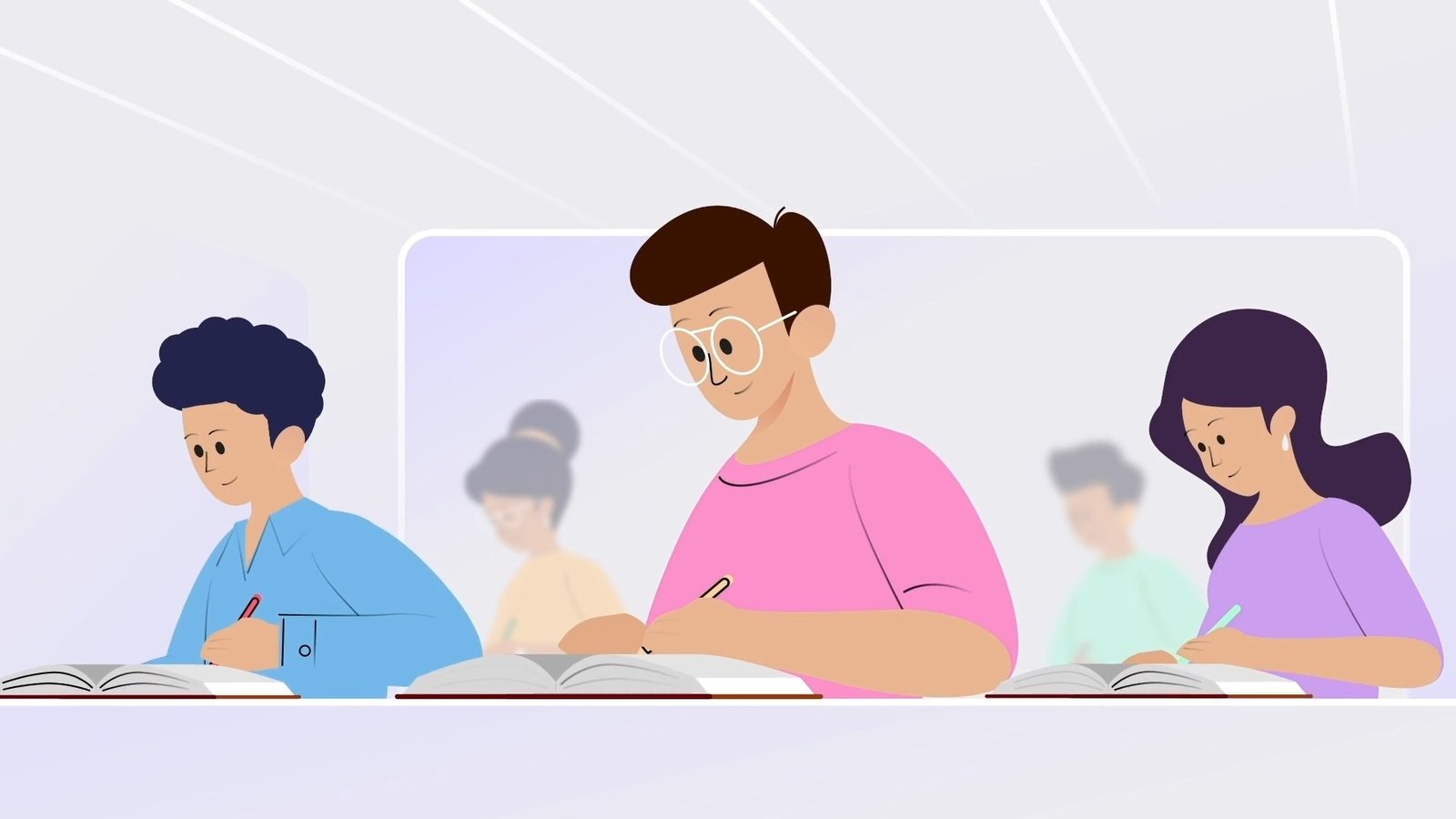
Send the module everybody skips. We will animate 15 seconds of it, free, so you can judge the work on your own content.

Captions as standard ยท Written quote in 24 hours ยท White label for e-learning agencies