3D animation for products, technology and visual communication
Product animation, exploded views, industrial and technical visualisation, and stylised or photorealistic CGI. Built from your CAD files, drawings or reference, for launches, sales, trade shows and training.
3D animation from our portfolio
Consumer products, logistics and industrial facilities, vessels and campus environments, in photorealistic and stylised 3D.
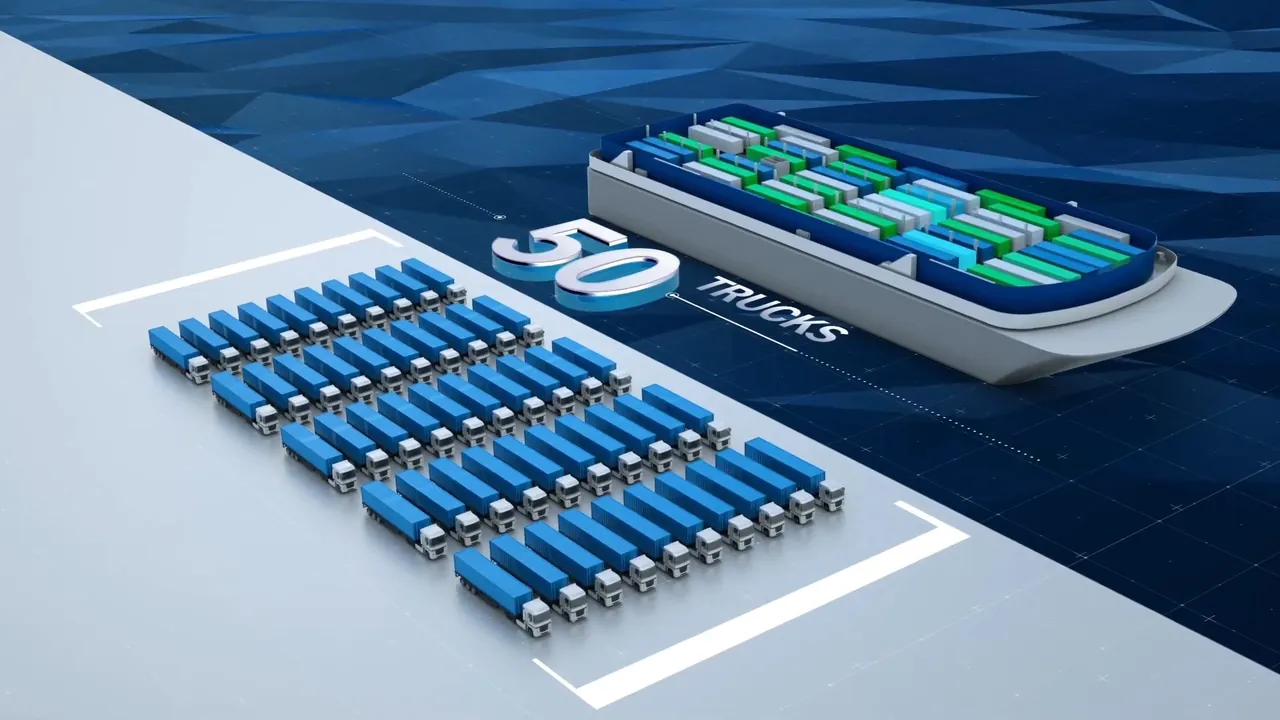
Green Ship
3D animation for a low-emission cargo ship: a vessel, its cargo and the logistics around it, shown at a scale and from angles no camera could reach.
- Models built from CAD, drawings, photos or samples
- Materials and lighting approved on still frames first
- Renders delivered for web, social, trade show and sales use

Jump Eyewear
3D product animation for an eyewear range.

Pigment Bottle Product Animation
3D product animation for cosmetic pigments.

Karina
3D character story.
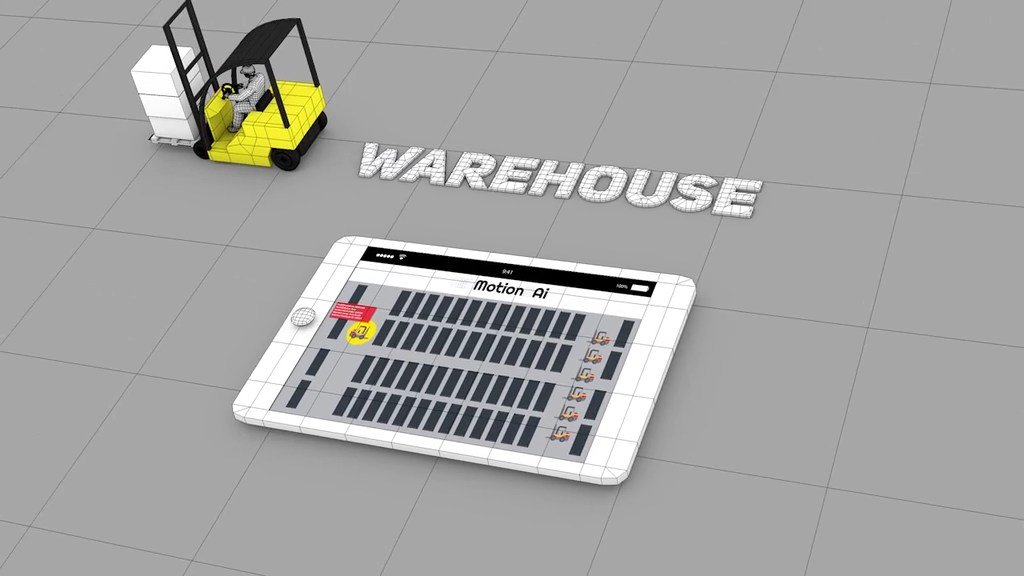
Motion 2AI
3D warehouse animation on forklift fleet tracking.
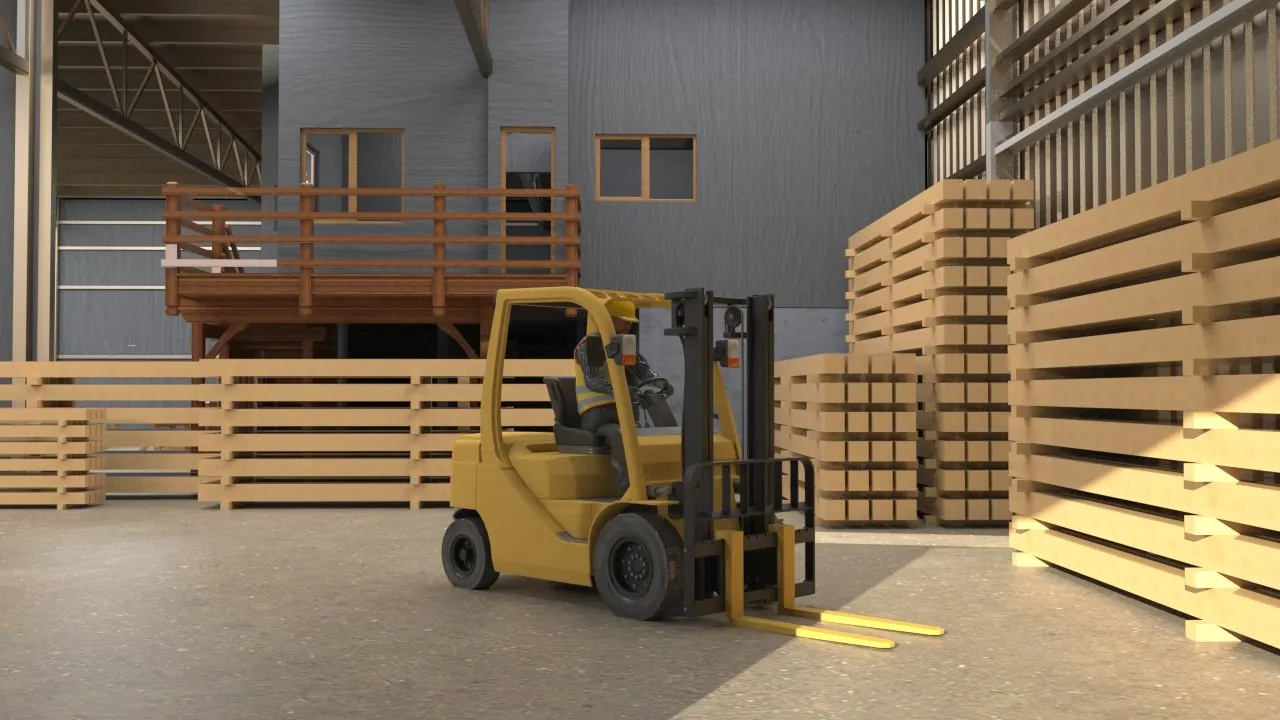
Alex Lathion
3D animation of a timber processing facility.

Zilla University
3D campus film for a university brand.
Titles and descriptions match our Our Work page.
What is 3D animation?
3D animation builds objects, machines and environments as digital models with real geometry, materials and lighting, then moves a virtual camera through them and renders the result. It can look photorealistic, or deliberately stylised.
It is most useful when a camera cannot show what needs to be communicated: internal machinery, products still in development, exploded components, microscopic processes or environments that do not physically exist yet. When the thing you need to show can simply be filmed or explained with a diagram, 3D is often not the most efficient choice.
What 3D animation helps you achieve
- Launch before the product shipsMarketing assets ready while the product is still in production.
- Explain how it worksMechanisms and internal parts made visible and easy to follow.
- Support technical salesEngineers and buyers see the detail they need to evaluate.
- Reuse one model everywhereStills, close-ups, configurators and training from the same asset.
- Reduce reshootsNew colours or variants are a material change, not a new shoot.
3D animation we produce
Product animation
Launch and e-commerce videos with controlled lighting and materials.
Exploded views
Components separating and reassembling to show construction.
Industrial animation
Plants, production lines and processes shown step by step.
Machinery visualisation
Equipment in operation, including parts a camera cannot reach.
Technical visualisation
Engineering concepts, flows and forces for technical audiences.
Architectural visualisation
Buildings and spaces before construction; see real estate.
Medical visualisation
Devices, mechanisms of action and anatomy, reviewed by your experts.
Photorealistic CGI
Renders designed to be read as real product imagery.
Stylised CGI
Simplified, colourful 3D that explains without chasing realism.
3D character animation
Stylised characters for brand stories and campaigns.
3D earns its cost where filming fails
3D animation is most valuable when a camera cannot show what needs to be communicated.
Inside the product
Internal mechanisms, moving parts, fluid paths and airflow are hidden behind a casing.
With 3DCutaways, transparency and exploded views show exactly how it works.Before it exists
Prototypes, pre-launch products and buildings still in planning cannot be filmed.
With 3DA launch video can be ready on launch day, built from CAD or drawings.Too big, small or dangerous
Factories, ships, cells, microchips and hazardous processes are impractical to shoot.
With 3DThe camera can go anywhere, at any scale, safely.Every variant, one model
Colourways, configurations and regional versions multiply photo shoots.
With 3DMaterials and parts swap on the same model for each version.A process over time
Assembly, installation or a chemical process happens too slowly or out of view.
With 3DTime is compressed and each step isolated so it can be followed.A perfect, repeatable look
Reflections, dust and lighting vary from shoot to shoot.
With 3DControlled lighting and materials give a consistent, premium finish.Where 3D animation does the most work
Hero films and short clips ready before physical samples exist.
Consistent product videos across colourways and variants.
Machinery and systems shown working, without shipping them.
Exploded views and cutaways for specifiers and procurement teams.
Assembly, servicing and safety procedures shown on the equipment itself.
Facilities, vessels or infrastructure visualised before they are built.
For teams with something physical to show
Our 3D clients usually have a product, a machine or a place, and a reason it cannot simply be filmed.
Launch films and e-commerce assets with a premium finish.
Technical animation for sales, trade shows and training.
Pre-launch videos built from CAD before production.
Device and mechanism animations reviewed by medical experts.
3D production capacity delivered under the agency's own brand.
Do you really need 3D?
3D usually takes longer and costs more than 2D, so we will tell you honestly if another format would do the job.
3D is worth it when
- The product must look physically real, with accurate materials
- You need to show inside, underneath or before it exists
- You will reuse the model for many videos, stills or variants
- Your audience is technical and needs to see the mechanism
Consider another format when
- The idea is abstract rather than physical: 2D animation
- You need software on screen more than hardware: SaaS videos
- Speed and campaign volume matter most: AI-powered video, sometimes combined with 3D
- A simple product photographs well and never changes: photography may be enough, see our comparison
How a 3D animation is built: modelling, materials, lighting, rendering
- Discovery and technical review
We review your CAD files, drawings or samples and agree what must be accurate and what can be simplified.
- Script
What the viewer needs to understand, in what order. Voiceover or on-screen text is fixed here.
- Storyboard and camera plan
Every shot planned: angles, cutaways, exploded sequences and transitions.
- Modelling
Geometry built or cleaned from CAD, optimised for animation rather than manufacturing.
- Materials and lighting
Surfaces, colours and lighting approved on still frames before animation, so there are no surprises in the render.
- Animation and rendering
Camera moves and mechanisms animated, then rendered at final resolution. Changes after rendering cost more, which is why approvals come first.
- Compositing, sound and delivery
Graphics, labels, sound design and voiceover added, then exported in every agreed format.
What helps us start
- CAD or 3D files if available (STEP, OBJ, FBX and similar); not required
- Photos, drawings, product samples or a video of the product
- Material and colour references, including finishes and logos
- Which details are confidential or must not be shown
What you receive from a 3D project
What you can receive
Depending on the project, deliverables may include:
Still frames rendered from the same model are often the most reused output of a 3D project.
What affects cost and timeline
- Model complexity. A bottle is simpler than a gearbox; supplied CAD usually shortens modelling.
- Realism. Photorealistic materials take more look-development than stylised ones.
- Number of shots and length. Every shot needs its own camera, lighting and render.
- Mechanisms and simulation. Liquids, cloth and particle effects add production and render time.
- Changes after rendering. Approving materials and animation before final render keeps budgets predictable.
3D projects typically take four to eight weeks depending on complexity, modelling needs and length, and are quoted individually. See our guide to 3D product animation cost. Quotes are written and arrive within 24 hours.
3D animation questions
Do we need CAD files or a 3D model?
Is 3D animation more expensive than 2D?
How long does a 3D animation take?
Photorealistic or stylised 3D: which should we choose?
Can one project combine 3D with 2D, motion graphics or AI?
Can we also get still images from the animation?
Can you work under an NDA?
Tell us what you need to show in 3D
Share whatever you have: an idea, a brief, a reference video, a script, a product link or an existing storyboard. We will recommend a production approach, a length and a format, then send a written quote. CAD files, photos or a product sample are all useful starting points.
Written quote within 24 hours · Prefer to talk first? Book a call